565 W Lambert Rd M, Brea, CA, 92821
Bonded & Insured
Brea, CA

Bathroom Remodeling in Brea, CA Built for Hard Water, Older Homes & Real Life

Most Brea bathrooms weren't built for the way people use them now. A lot of the homes here are 40 to 70 years old, so you'll often find a mint-tiled hall bath from the 1950s, a fiberglass tub surround from the '80s, or a garden tub nobody has used since 2002. On top of that, our hard water coats glass doors and fixtures with scale within a few months. Brea Bathroom Remodeling plans and builds bathrooms around those local conditions. We use low-maintenance surfaces, waterproofing that can handle seismic movement, and layouts that make a small room work harder.

We work in Brea every day, so we know what's usually hiding behind the walls in a Laurel/Brea Gardens ranch home. We know Olinda Ranch and Tonner Hills primary baths tend to have oversized tubs, and that HOAs in Blackstone and La Floresta have their own rules on work hours and parking. From your first walkthrough to the final wipe-down, we give you honest numbers, keep the job site clean, and explain what's happening at each step so nothing catches you off guard.

  • Bonded
  • Fully insured
  • Financing available
  • Free, no-obligation quotes
Free Estimate

Request Your Free Estimate

No obligation. Fast, honest quotes.

Prefer to talk? Call (714) 912-1758 — your details are never shared.

Credentials & Certifications BondedInsuredFinancing available
What We Do

Bathroom Remodeling Services for Brea Homes

We focus on bathrooms and nothing else. Whether you need a full gut remodel or a safer, easier-to-clean shower, every service below is planned around what Brea homes deal with: hard water, aging plumbing, seismic movement, Title 24 rules and HOA requirements.

★ Specialty

Full Bathroom Remodeling

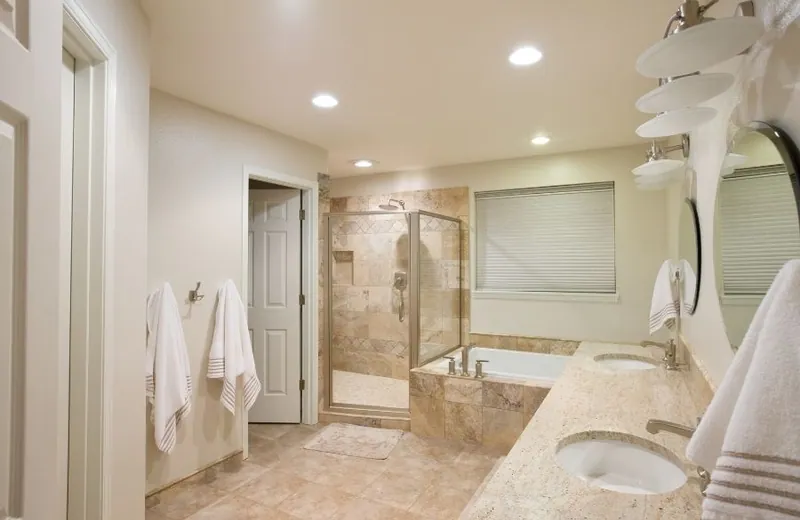
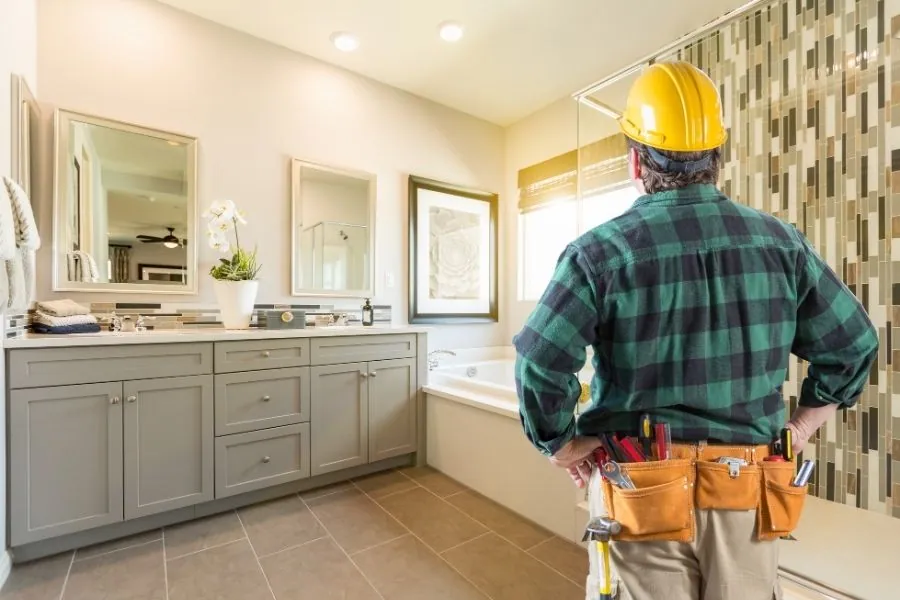
A complete renovation from the studs out: layout, plumbing, electrical, ventilation, waterproofing, tile, vanity, fixtures and lighting. We coordinate the trades, materials and inspections so you have one team to deal with from start to finish.

We plan the space carefully, demo with protection in place, inspect framing and plumbing as soon as the walls are open, then install bonded waterproofing, code-compliant fixtures and finishes. You get a written scope with clear allowances and a contingency plan before work begins.

Brea hall baths are often 5x8. We use niches, wall-hung vanities and curbless showers to make them feel larger. In ranch homes we expect galvanized pipe and rotted subfloor, and we plan for them up front. In older homes we test for asbestos and use lead-safe practices.

Best for: Homeowners with dated 1950s–2000s bathrooms, recent buyers of older Brea homes, and anyone getting ready to sell who needs permitted, resale-quality work.

Explore
★ Specialty

Walk-In Shower Conversion

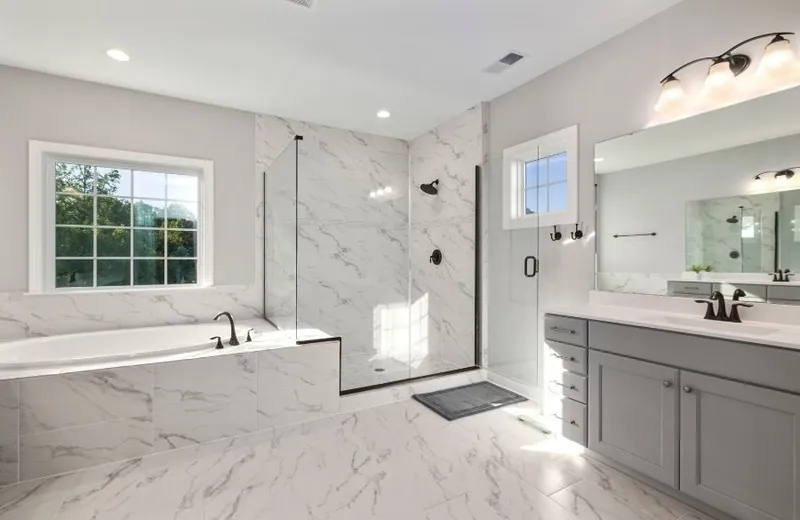
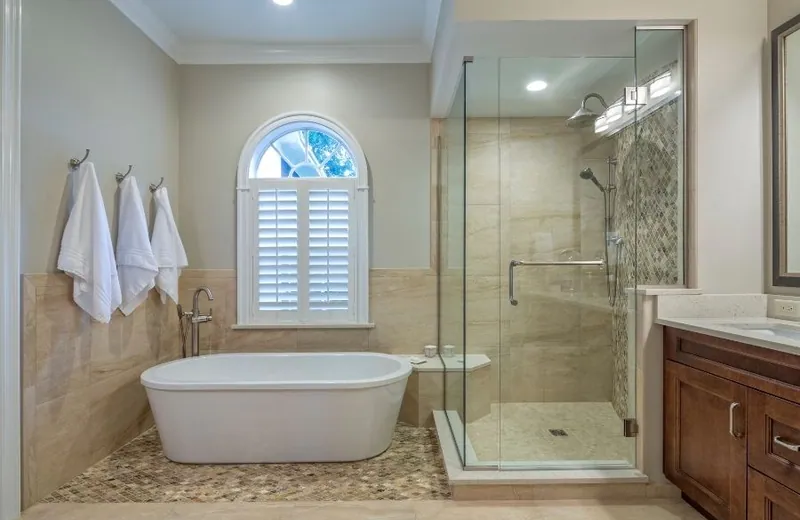
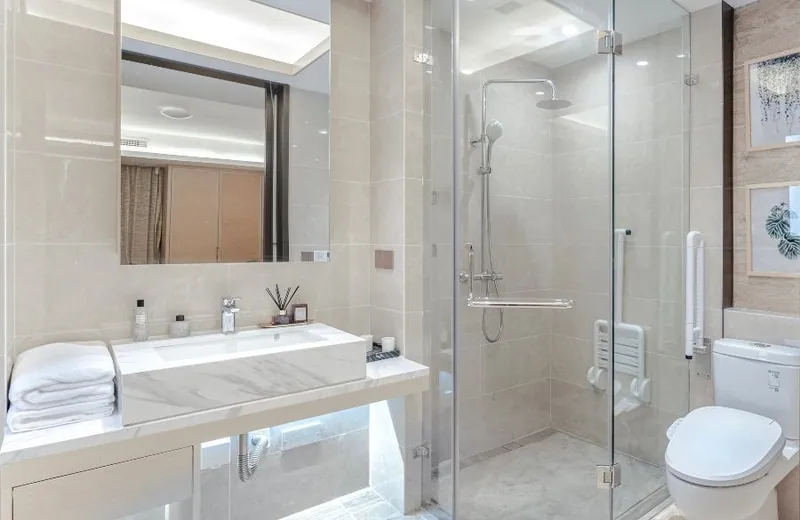
We replace an unused garden tub or an old shower with a spacious walk-in shower, often with a bench, niches, a frameless coated glass panel and a low or zero-threshold entry.

We use a properly sloped pan or linear drain, a continuous waterproofing membrane, large-format porcelain to minimize grout, safety-rated glass with a factory hard-water coating, and a pressure-balance or thermostatic valve.

This is the most requested upgrade in Olinda Ranch and Tonner Hills primary baths, where the 1990s–2000s soaking tubs take up floor space. Coated glass and matte fixtures help hold up against Brea's very hard water.

Best for: Primary bathrooms with an oversized tub you no longer use, and owners who want a cleaner, more open look that's easy to maintain.

Explore

Bathtub-to-Shower Conversion

We remove the existing tub-shower combo and build a tiled or solid-surface shower in the same footprint, usually without major layout changes, so the bathroom is back in service sooner.

We take out the tub and surround, check the drain and supply lines, reframe the curb, waterproof the walls and pan, and install new valves, glass and fixtures that meet the 1.8 gpm showerhead limit.

This works well in Brea's one- and two-bath ranch homes, where families can't go without a bathroom for long. Converting a tub to a shower requires a City of Brea permit, and we plan the job with that in mind.

Best for: Households that shower more than they bathe, older adults tired of stepping over a tub, and families in small hall baths.

Explore

Bathroom Flooring and Tile Installation

We install new floors, shower walls, wainscoting and accent tile in porcelain, ceramic, natural stone or luxury vinyl, with the substrate prep that keeps it flat and crack-free.

We level the substrate, use uncoupling membranes, put movement joints at the perimeter and changes of plane, and use polymer-modified or epoxy grout. Large-format porcelain cuts down on grout lines and scale buildup.

Brea's seismic exposure and the expansive soils in Carbon Canyon and Brea Hills make flexible installation important. We recommend porcelain over polished marble because the hard water etches stone quickly.

Best for: Bathrooms with cracked, dated or hollow tile, mint and pastel 1950s wall tile, and owners who want lower-maintenance surfaces.

Explore

Bathroom Vanity and Fixture Installation

We replace vanities, tops, sinks, faucets, toilets, mirrors, lighting and exhaust fans. It's a good option when the shower is still in good shape but the rest of the room needs updating.

We fit quartz or solid-surface tops, WaterSense fixtures that meet California limits (1.28 gpf toilets, 1.2 gpm faucets), high-efficacy lighting and humidistat fans ducted outdoors.

In 1970s–80s Birch Hills and Brea Country Hills homes, we swap cultured-marble tops, brass fixtures and soffit lighting for modern finishes. In pre-1994 homes, permitted work brings the fixtures into compliance with Civil Code §1101.1.

Best for: Builder-grade baths in Blackstone, La Floresta and Central Park Village, and dated but sound bathrooms that need a refresh.

Explore

Accessible Bathroom Remodeling

We design bathrooms for aging in place and for people with mobility needs: zero-threshold showers, built-in benches, grab bars, comfort-height toilets, handheld sprayers and wider doorways.

We add blocking for grab bars throughout, slope floors to curbless drains, choose slip-resistant tile, set controls within reach, and install anti-scald valves. Clearances are planned around walkers or wheelchairs where needed.

Many long-time Brea owners in Arovista, Laurel/Brea Gardens and Brea Country Hills are remodeling so they can stay in their homes. Multigenerational households often need one fully accessible bath.

Best for: Seniors aging in place, families caring for a parent, and anyone recovering from surgery or planning ahead.

Explore
Know The Signs

Common Bathroom Problems in Brea Homes

These are the problems we see most often in Brea bathrooms. Some are cosmetic annoyances and some are leaks that can damage the structure. Knowing why each one happens here makes it easier to decide whether you need a repair, a partial update or a full remodel.

Leaking Mortar-Bed Shower Pan Serious

Older showers were built on a sloped mortar bed over a lead or tar-paper liner. After decades of use, the liner cracks or corrodes and water seeps into the framing and subfloor. You can't see it happening because it's all under the tile.

Why it's common here

This is the most common hidden failure in Brea's 1950s–80s homes. Ranch tracts in the Laurel/Brea Gardens area and 1970s–80s two-story homes near Birch Hills mostly have original or once-rebuilt pans that are 40+ years old. Seismic shaking from the nearby Whittier Fault puts stress on rigid mortar beds, and hard-water deposits slowly break down grout until water can wick through. In two-story homes and condos, a failed pan can also stain or collapse the ceiling below.

Signs you'll notice
  • Loose or hollow-sounding floor tile near the shower
  • Grout that stays dark long after showering
  • Musty odor even after cleaning
  • Water stains on the ceiling below an upstairs bath
  • Soft baseboards or swollen door casing outside the shower
  • Efflorescence or white crust along the shower curb
Local patterns

Most common in central Brea ranch homes and 1970s–80s townhome complexes near Brea Country Hills. In condos, a leaking pan can damage the unit below, so finding it early helps avoid HOA disputes and insurance claims.

Our fix: We tear out the shower down to the studs, repair the framing and subfloor, and install a modern bonded waterproofing membrane with a properly sloped pan before new tile goes in.

Hard-Water Scale and Fixture Failure Minor

Calcium and magnesium in the water leave white crust on glass, showerheads, aerators and faucets. Over time the minerals wear out cartridges and valves, etch polished stone, and make cleaning a constant chore.

Why it's common here

Brea's water blends Colorado River imports, State Water Project supply and local groundwater, and it's generally rated hard to very hard. Hot water speeds up scaling, so shower glass and tankless water heaters get hit hardest. Owners of the 1990s–2000s homes in Olinda Ranch and Tonner Hills often have clear glass enclosures that have gone permanently cloudy. Polished marble or travertine installed in the past 20 years tends to show etching and dull spots.

Signs you'll notice
  • Cloudy glass that won't come clean
  • Weak or uneven showerhead spray
  • Dripping faucets despite new washers
  • White crust around drains and fixture bases
  • Dull, etched spots on stone counters
  • Stiff or noisy mixing valves
Local patterns

We see heavy scale across Brea, but it's most visible in the glass-heavy primary baths of Olinda Ranch, Tonner Hills and Central Park Village, and on brass fixtures from the 1980s in Birch Hills homes.

Our fix: We specify factory-coated glass, matte or brushed fixtures, quartz or solid-surface tops and epoxy grout, and we recommend softener options when it makes sense.

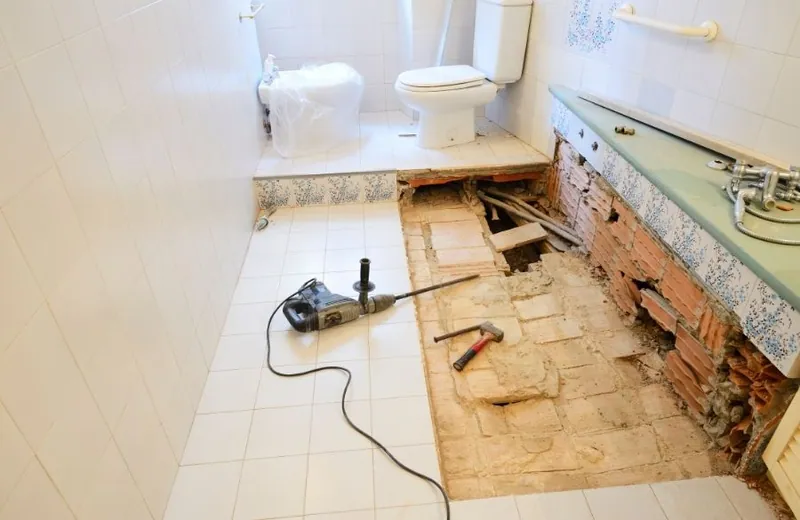
Rotted Subfloor Around Toilets and Tubs Serious

Slow leaks from a failed wax ring, tub overflow or caulk joint soak into the plywood or plank subfloor. The wood softens and rots, and it can eventually damage the joists underneath.

Why it's common here

Raised-foundation bungalows near Downtown Brea and older two-story homes have wood subfloors that have been absorbing small leaks for decades. Many of the 1970s–80s toilets were 3.5 gpf models on worn flanges. Since California requires replacing non-compliant fixtures during permitted work in pre-1994 homes, these floors often get exposed at demolition, and that's usually when the rot is found.

Signs you'll notice
  • Floor flexes or feels spongy near the toilet
  • Toilet rocks or won't stay tight
  • Cracked tile or curled vinyl at the tub apron
  • Persistent dark staining at the toilet base
  • Odor around the toilet flange
  • Sagging visible from the crawlspace or ceiling below
Local patterns

Common in upstairs bathrooms of Brea Country Hills and Birch Hills two-story homes, and in older raised-floor cottages around Downtown Brea and Arovista.

Our fix: We cut out the damaged sections, sister or replace joists as needed, install new subfloor and flange, then set a compliant 1.28 gpf toilet.

Corroded Galvanized Supply Lines and Cast-Iron Drains Serious

Steel supply pipes corrode from the inside, which reduces water pressure and leaves rusty water. Old cast-iron drains crack, scale up and leak at the joints, which is a problem in homes that sit on slabs.

Why it's common here

Brea homes built from the 1910s through the early 1960s often still have galvanized supply lines. Hard water speeds up buildup inside the pipe, and seismic movement from the Whittier Fault plus shifting clay soils in the hillside areas strain rigid joints. In Carbon Canyon and Brea Hills, slab movement can crack drain lines under the bathroom floor.

Signs you'll notice
  • Low water pressure at the tub or sink
  • Brown or rusty water at first use
  • Slow drains that keep coming back
  • Unexplained jumps in the water bill
  • Warm spots or cracks in floor tile
  • Gurgling drains
Local patterns

Found most often in Downtown Brea bungalows, Laurel/Brea Gardens ranch tracts and hillside homes north of Lambert Road, where expansive soils add stress.

Our fix: While the walls are open we repipe the bathroom with PEX or copper, replace failing drain sections, and pressure-test before we close up.

Mold and Mildew From Poor Ventilation Moderate

Without a working exhaust fan, steam from showers condenses on ceilings and walls. Mildew grows on the grout and paint, and drywall gets damaged over time.

Why it's common here

Brea's dry outdoor air fools people into thinking humidity isn't a concern. But many 1950s–60s ranch baths had no fan at all, and many 1970s–80s fans are undersized or vent into the attic. Title 24 now requires humidity-controlled fans that vent outdoors, and in HOA areas the exterior vent location may need approval.

Signs you'll notice
  • Black spots on ceiling or grout lines
  • Peeling or bubbling paint
  • Mirrors that stay fogged long after showers
  • Musty smell
  • Fan that's loud but barely moves air
  • Attic staining above the bath
Local patterns

Most common in enclosed central-Brea hall baths and condo baths with no window. Attic-vented fans are typical in 1970s–80s tracts.

Our fix: We install a properly sized, humidistat-controlled fan ducted outdoors, use mold-resistant board and finishes, and fix any damaged drywall or framing.

Unsafe Tub-Shower Combo for Aging Occupants Moderate

A high tub wall, slippery surfaces and no grab bars make bathing risky for older adults or anyone with mobility limits. Falls in the bathroom are a leading cause of injury.

Why it's common here

A lot of Brea homeowners bought decades ago and want to stay put. Their 1950s–80s homes usually have one tub-shower combo with a 14–16 inch step-over, narrow doorways and standard-height toilets. Multigenerational households with grandparents living in also need safer bathrooms now.

Signs you'll notice
  • Difficulty stepping over the tub wall
  • Holding towel bars for balance
  • No place to sit while bathing
  • Doorway too narrow for a walker
  • Low toilet that's hard to rise from
  • Scalding or sudden temperature swings
Local patterns

We get a lot of these calls from long-time owners in Arovista, Laurel/Brea Gardens and Brea Country Hills, plus families converting space for multigenerational living.

Our fix: Tub-to-shower conversion with a low or zero threshold, built-in bench, grab-bar blocking, handheld sprayer, comfort-height toilet and a pressure-balance valve.

Cracked Tile From Seismic or Slab Movement Minor

Rigid tile installed without an uncoupling membrane or movement joints cracks when the slab or framing shifts. Cracked tiles and grout let water get under the floor.

Why it's common here

Brea's location next to the Whittier Fault and the Puente Hills blind thrust means even small quakes flex floors. Clay-rich, sloped soils in Carbon Canyon and the hills north of Lambert Road also make slabs heave or settle seasonally, especially after a wet winter.

Signs you'll notice
  • Hairline cracks running across several tiles
  • Popped or tented tiles
  • Crumbling grout lines
  • Cracks that line up with a wall or doorway
  • Uneven floor or door that sticks
Local patterns

Most noticeable in hillside homes in Carbon Canyon, Brea Hills and Tonner Hills, and in older slab ranch homes after past quakes.

Our fix: We reinstall tile over an uncoupling membrane with proper movement joints and flexible setting materials, after checking whether the slab needs a structural evaluation.

Transparent Pricing

How Much Does Bathroom Remodeling Cost in Brea?

Bathroom remodel costs in Brea depend on size, scope, materials and what turns up behind the walls. The ranges below reflect typical north Orange County pricing for labor and materials, so you can plan before your free in-home quote.

Typical Project

Tub-to-shower conversion in a hall bath

1960s central Brea ranch, 5x8 bath, same footprint, tiled shower, coated glass, new valve

$14,000 – $26,000
Typical Project

Full hall bathroom remodel

1970s–80s Brea Country Hills two-story, new pan, subfloor repair, tile, vanity, fan, lighting

$28,000 – $48,000
Typical Project

Garden tub to walk-in shower in a primary bath

Olinda Ranch or Tonner Hills primary suite, large tiled shower, bench, niches, frameless glass

$35,000 – $65,000
Typical Project

Accessible aging-in-place bathroom

Curbless shower, bench, grab bars, comfort-height toilet, widened doorway

$30,000 – $60,000
Scope and Layout Changes Primary Factor

Keeping fixtures where they are costs far less than moving them. Relocating a toilet or drain on a slab means cutting concrete, and moving a shower valve or adding a second sink adds plumbing and electrical work plus inspections. A cosmetic refresh of a Brea hall bath is very different from a full gut of a 1990s primary suite with a new walk-in shower and a relocated vanity.

Hidden Conditions in Older Homes Primary Factor

In 1950s–80s Brea homes, demolition often uncovers rotted subfloor, a leaking mortar-bed pan or corroded galvanized lines. Asbestos testing, and abatement if needed, plus lead-safe practices in pre-1978 homes add cost too. That's why we build a contingency of roughly 10–15% into older-home budgets and walk you through any findings before the repair work starts.

Materials and Finishes Major Factor

Tile, glass, countertops and fixtures can swing a budget by thousands. Large-format porcelain, quartz, factory-coated frameless glass and thermostatic valves cost more up front, but they hold up to Brea's hard water much better than polished stone or uncoated glass. Custom vanities and designer fixtures also cost more than stock options.

Permits, Code Upgrades and Compliance Secondary Factor

City of Brea permits, Title 24 humidistat fans vented outdoors, high-efficacy lighting, GFCI circuits, compliant fixtures and smoke/CO alarm upgrades are part of a legal, resale-ready remodel. These typically add a few thousand dollars to a project, but buyers in Brea expect to see documented, permitted work.

Access, HOA and Logistics Secondary Factor

Upstairs bathrooms, condos with shared plumbing risers, limited parking and HOA rules on hours and bin placement can add labor time. Protecting the ceilings below in two-story homes and units is part of doing the job right.

Financing is available, so you can spread out the cost of a bigger project instead of scaling back or delaying needed repairs. Ask about options during your free consultation. With typical Brea homes valued around or above $1 million, a well-built, permitted bathroom protects one of your largest assets. It also prevents water damage and helps your home stand out to buyers when you sell.

Local Expertise

Why Brea Bathrooms Need a Local Remodeling Approach

Brea's climate, geology, housing history and rules all affect how a bathroom should be built here. Hard water, seismic activity, aging plumbing and California's strict code requirements explain why a remodel that holds up in Brea looks different from one built elsewhere.

Hard Water, Indoor Humidity and Seismic Movement

Brea gets only 13–15 inches of rain a year, nearly all of it between November and March. So outdoor humidity is rarely what damages a bathroom. The moisture comes from inside: hot showers in closed rooms with no vent fan leave condensation, mildew on ceilings and peeling paint. The bigger problem is the water itself. Brea's supply blends Colorado River and State Water Project imports with local groundwater, and it tests hard to very hard. That means scale on glass, clogged aerators, worn faucet cartridges and etched polished stone. Brea also sits beside the Whittier Fault and above the Puente Hills blind thrust. Shaking can crack rigid mortar beds and old cast-iron drain joints. In Carbon Canyon and the hills north of Lambert Road, clay-rich soils can shift slabs, and that shows up as cracked floor tile or slow leaks under the slab.

Housing Stock From 1917 to Today

Brea started out as an oil town, and you can still read its history in the bathrooms. Downtown bungalows from the 1910s–30s still have cast-iron tubs and galvanized supply lines. The postwar ranch tracts in central and south Brea mostly date from the 1950s–60s, with pastel tile set in mortar, built-in vanities and almost no ventilation. Two-story homes and condos from the 1970s–80s near Brea Country Hills and Birch Hills tend to have cultured-marble tops, fiberglass surrounds and shower pans that are failing. The 1990s–2000s communities, Olinda Ranch and Tonner Hills, came with large primary baths and soaking tubs. Newer neighborhoods like Blackstone, La Floresta and Central Park Village have builder-grade finishes that owners want to upgrade. Because so many baths are 40 to 70 years old, we routinely find rotted subfloors, leaking pans and corroded pipe.

Permits, Title 24 and HOA Rules

If a remodel moves fixtures, adds circuits, turns a tub into a shower or changes walls, it needs permits and inspections from the City of Brea Building & Safety Division. Title 24 and CALGreen add more requirements. Exhaust fans have to vent outdoors and be humidity-controlled, lighting must be high-efficacy, toilets are capped at 1.28 gpf, showerheads at 1.8 gpm and lavatory faucets at 1.2 gpm. In pre-1994 homes, Civil Code §1101.1 requires replacing non-compliant fixtures. Homes built before 1978 need lead-safe work practices, and suspect popcorn ceilings or mastic should be tested under SCAQMD Rule 1403 before demolition starts. HOAs in Olinda Ranch, Tonner Hills, Blackstone, La Floresta and many condo complexes may also require architectural approval, restrict work hours and set rules for bin placement.

A Market That Values Resale and Aging in Place

Brea has about 47,000 residents, and typical home values sit around or above $1 million. People here treat a bathroom remodel as protecting their biggest asset. Many long-time owners are now updating so they can age in place, while younger families are buying older ranch homes and modernizing them. Multigenerational households need accessible or additional baths. Buyers in Brea look for permitted, documented work and resale-quality finishes, which is why careful planning and code compliance pay off when you sell.

Brea Bathroom Remodeling Bathroom Remodeling in Brea, CA project in Brea, CA (1)
Brea, CA
Brea Bathroom Remodeling Bathroom Remodeling in Brea, CA project in Brea, CA (2)
bathroom
Talk to a Local Expert
The Brea Bathroom Remodeling Difference

Why Brea Homeowners Choose Brea Bathroom Remodeling

We Know What's Behind Brea's Bathroom Walls

Brea's housing comes in clear eras, and each one has its own weak spots. Downtown bungalows have galvanized lines and cast-iron tubs. Laurel/Brea Gardens ranch homes have mortar-bed showers and no fans. Birch Hills two-story homes have failing shower pans, and Olinda Ranch primary baths have oversized tubs. We price and plan based on that experience. You'll know what we're likely to find before we open the walls, and why we recommend certain materials, instead of being surprised halfway through the job.

Bonded and Insured for Your Protection

A bathroom remodel means water lines, electrical work and a crew in your home for weeks. We're bonded and insured, so you're protected if something goes wrong. That's especially important in condos and two-story homes, where a plumbing problem can affect a neighbor's ceiling or the room below. Brea homeowners usually compare several bids, and we're glad to go over our coverage with you so you can make a confident, well-informed decision.

Bathrooms Are All We Do

We don't build decks or patios on the side. Our focus is full bathroom remodels, walk-in shower conversions, tub-to-shower conversions, tile, vanities and accessible baths. That focus shows in the details that matter most in a wet room: continuous waterproofing, properly sloped pans, flood testing before tile goes on, ventilation sized for the room, and tile installed to handle the seismic movement this area gets.

Honest Pricing With Clear Allowances

Hidden problems drive most remodel budget overruns in older homes. We put them on the table up front. Your quote lists the scope, material allowances and a contingency for things like rotted subfloor or corroded pipe that we can't confirm until demolition. If we find something, we show you, explain the options and price the fix before we go further. You won't get a change order without a conversation first.

Materials Chosen for Brea's Hard Water

Clear glass and polished chrome look great on day one, but in Brea they can look worn within a year. We help you pick finishes that stay looking good: factory-coated glass, brushed or matte fixtures, quartz and solid-surface tops, large-format porcelain and epoxy grout. That means less scrubbing, fewer replaced cartridges and a bathroom that still looks new when you're ready to sell.

Code-Smart, HOA-Ready Planning

Title 24 fans, high-efficacy lighting, flow-rate limits, GFCI outlets, anti-scald valves, safety glass, smoke and CO alarm upgrades. Permitted bathroom work comes with a long checklist. We plan for all of it from the start and work within HOA rules on work hours, bin placement and contractor parking in places like Tonner Hills, Blackstone and La Floresta. That keeps your project on schedule and on good terms with your neighbors.

Respectful Crews and Flexible Financing

Many Brea homes have only one or two bathrooms, so we keep timelines tight, seal off dust, protect floors and clean up every day. If the project is bigger than your current budget, financing is available, so you don't have to cut corners on waterproofing or put off a safety upgrade an aging parent needs now.

Simple & Transparent

Our Bathroom Remodeling Process

We keep things simple: clear steps, honest timelines and no surprises we could have caught earlier. Here's how a typical Brea bathroom project goes from the first conversation to the final walkthrough.

Free In-Home Consultation

60–90 minutes, usually scheduled within the week
  • We walk the bathroom and talk through your goals and budget
  • We check the ventilation, plumbing access, subfloor and existing tile
  • We note the home's age for lead/asbestos and Civil Code §1101.1 requirements
  • We ask about HOA rules, parking and work-hour limits

Local note: In pre-1978 homes we flag lead-safe practices, and we recommend asbestos testing for popcorn ceilings and old mastic.

Design, Selections and Written Quote

1–2 weeks
  • Layout options that make the most of the space
  • Material guidance with hard-water-resistant choices
  • Itemized quote with clear allowances
  • Contingency plan for hidden damage
  • Financing options if you'd like them

Local note: We prioritize coated glass, quartz and large-format porcelain because of Brea's very hard water.

Permits and HOA Approvals

2–6 weeks, depending on scope and HOA
  • Prepare plans for City of Brea Building & Safety
  • Assemble HOA architectural submittals for any exterior vent changes
  • Order materials so they arrive before demolition
  • Confirm the schedule and job-site logistics with you

Local note: Communities like Olinda Ranch, Tonner Hills, Blackstone and La Floresta may need extra lead time for approvals.

Demolition and Construction

2–5 weeks for most bathrooms
  • Protect floors and dust-seal the work area
  • Demo, then assess and repair the framing, subfloor and plumbing
  • Rough-in inspections, then waterproofing and flood testing
  • Tile, vanity, fixtures, lighting and fan installation

Local note: We work within city noise hours and HOA rules, and we protect the ceilings below in two-story homes and condos.

Final Inspection and Walkthrough

2–5 days
  • City final inspection and sign-off
  • Detailed punch-list walkthrough with you
  • Thorough cleanup and haul-away
  • Care guidance for glass, grout and fixtures in hard water

Local note: Permitted, documented work helps protect your home's value when you sell.

Trusted Locally

A Local Bathroom Team Brea Homeowners Can Count On

Specialized Bathroom Services
6
Brea, CA

Brea homeowners compare bids carefully, and we welcome that. We earn trust with honest pricing, clear communication and craftsmanship you can see in the waterproofing, the tile lines and the clean job site we leave behind.

20 mi
Service Radius Around Brea
$0
Cost for Your Quote
100%
Bonded & Insured Projects
BondedInsuredFinancing available
Where We Work

Bathroom Remodeling Throughout Brea

We're based in Brea and work in every part of the city, from the historic downtown blocks to the hillside tracts and newer planned communities. Each area has its own housing types and bathroom challenges, and we plan every project around them.

Central & Historic Brea

Downtown BreaLaurel / Brea Gardens areaArovistaImperial Highway / Brea Mall corridor

North Brea & Hillside Communities

Brea Hills (north of Lambert Road)Carbon CanyonOlinda VillageBrea Country HillsBirch Hills

Master-Planned & Newer Neighborhoods

Olinda RanchTonner HillsBlackstoneLa FlorestaCentral Park Village

We serve all of Brea and nearby communities within about 20 miles. If you're not sure whether you're in range, ask when you request your free quote. Not sure if we cover your area? Call (714) 912-1758.

Find Us

Serving Brea, CA & Nearby

565 W Lambert Rd M, Brea, CA, 92821 · Monday - Sunday: 7AM - 7PM

Downtown BreaLaurel / Brea Gardens areaArovistaImperial Highway / Brea Mall corridorBrea Hills (north of Lambert Road)Carbon CanyonOlinda VillageBrea Country HillsBirch HillsOlinda RanchTonner HillsBlackstoneLa FlorestaCentral Park Village
Questions & Answers

Bathroom Remodeling FAQs for Brea Homeowners

How much does a bathroom remodel cost in Brea, CA?

Most full hall bathroom remodels in Brea fall between about $28,000 and $48,000. A tub-to-shower conversion in the same footprint typically runs $14,000 to $26,000. Larger primary baths, especially when a garden tub is converted into a walk-in shower, often run $35,000 to $65,000 or more depending on finishes. Older homes from the 1950s–80s may need extra work once the walls are open, such as subfloor repair or repiping. That's why we include a clear contingency in every quote. Financing is available if you'd like to spread out payments.

How long does a bathroom remodel take?

Construction usually takes 2 to 5 weeks, depending on scope. A same-footprint tub-to-shower conversion is often on the shorter end, and a full primary bath with layout changes takes longer. Before that, plan on 1–2 weeks for design and selections and 2–6 weeks for permits and any HOA approval. Many Brea ranch homes have only one or two bathrooms, so we schedule tightly and order materials ahead of time to keep downtime to a minimum. We'll give you a realistic schedule before work begins.

Do I need a permit to remodel my bathroom in Brea?

Yes, if the work changes plumbing, electrical, mechanical systems or structure. That includes moving fixtures, adding circuits, converting a tub to a shower, removing walls or replacing a water heater. Those projects need permits and inspections through the City of Brea Building & Safety Division. Permitted work also has to meet Title 24 and CALGreen: humidity-controlled fans vented outdoors, high-efficacy lighting, GFCI outlets, anti-scald valves and low-flow fixtures. Simple cosmetic updates like paint or swapping a mirror usually don't need a permit. If you live in an HOA community like Olinda Ranch or Tonner Hills, check its architectural rules too.

Should I replace my garden tub with a walk-in shower?

If you haven't used the tub in years, it's often a smart move. Many Olinda Ranch and Tonner Hills primary baths from the 1990s–2000s have large soaking tubs that take up valuable floor space. A walk-in shower with a bench, niches and coated glass is easier to use, easier to clean and better for aging in place. If you have only one tub in the house and young kids, or you think buyers will want one, consider keeping a tub in another bathroom. We'll talk through the trade-offs during your consultation.

How can I prevent hard-water damage in my new bathroom?

Start with materials that resist scale. Factory-coated glass, brushed or matte fixtures, quartz or solid-surface tops, large-format porcelain and epoxy grout all hold up far better in Brea's very hard water than clear uncoated glass, polished chrome or polished marble. A quick squeegee after each shower keeps glass clear. A whole-house water softener can extend the life of cartridges, showerheads and tankless water heaters. When we finish your project, we'll give you simple care tips for each surface.

When should I stop waiting and remodel?

Act soon if you notice soft or spongy flooring near the toilet or tub, loose or hollow tile, stains on the ceiling below an upstairs bath, persistent musty smells or grout that stays dark. Those are signs of an active leak, and the damage spreads to framing and subfloor the longer it goes. Mobility concerns are also urgent. If someone in your home struggles to step over a tub, a safer shower is worth doing before a fall happens. Cosmetic updates can wait. Water damage and safety issues shouldn't.

What happens if you find asbestos or lead in my older Brea home?

Homes built before 1978 are presumed to have lead paint, so we follow EPA lead-safe work practices. Popcorn ceilings, old vinyl flooring with mastic and joint compound in 1950s–70s homes may contain asbestos. Under South Coast AQMD Rule 1403, suspect materials should be tested before demolition. If testing comes back positive, a certified abatement contractor removes the material before we start. We'll flag these possibilities during your consultation so they're part of the plan and budget, not a mid-project surprise.

Is your company insured, and do you offer financing?

Yes. Brea Bathroom Remodeling is bonded and insured, which protects you and your home while the work is going on. That matters even more in two-story homes and condos, where water work can affect the space below. Financing is also available for qualified homeowners, so you can complete the project you actually need, whether that's full waterproofing, a safer shower or better materials, without cutting corners. Ask about both when you schedule your free quote.

Start Your Brea Bathroom Remodel With a Free Quote

Whether it's a cramped 1960s hall bath, a leaking shower pan or a garden tub you never use, we'll help you plan a bathroom that works, lasts and holds up to Brea's hard water.

  • A free in-home consultation and honest, itemized quote
  • Clear allowances and a contingency plan for older-home surprises
  • Material recommendations chosen for Brea's hard water
  • Permit, Title 24 and HOA requirements planned from the start
  • A bonded and insured team that treats your home with care
  • Financing available for larger projects
  • Daily cleanup and dust protection throughout the job

Serving all Brea neighborhoods, including Downtown Brea, Olinda Ranch, Tonner Hills, Brea Country Hills, Blackstone and Carbon Canyon, plus communities within about 20 miles.

Seeing water stains below an upstairs bath or a soft floor near the toilet? Call us soon. Hidden leaks get more expensive the longer they run.

Bonded • Insured

Call (714) 912-1758 Free Estimate